Artificial Intelligence (AI) is revolutionizing the way businesses approach marketing. From automating campaigns to personalizing customer experiences, AI has become an essential part of modern marketing strategies. Understanding AI in marketing explained provides businesses with the insights they need to stay competitive in 2026. By integrating AI tools and techniques, marketers can make data-driven decisions, improve efficiency, and deliver better results.
This article explores AI in marketing explained, highlighting the key tools, emerging trends, and practical techniques that businesses should adopt to maximize impact and engagement.
Understanding AI in Marketing
AI in marketing refers to the use of artificial intelligence technologies to analyse data, automate processes, and create more personalized customer experiences. One of the most important aspects of AI in marketing explained is its ability to process massive amounts of data that humans cannot handle manually. This enables marketers to identify patterns, predict customer behaviour, and make informed decisions quickly.
Machine learning, a subset of AI, plays a central role in marketing by continuously improving algorithms based on user interactions and feedback. This allows campaigns to become smarter over time, increasing relevance and effectiveness. Businesses that leverage AI can anticipate customer needs, tailor content, and optimize marketing efforts across multiple channels.
AI Marketing Tools to Transform Campaigns
In the context of AI in marketing explained, various tools have emerged to streamline and enhance marketing efforts. AI-powered platforms offer capabilities such as predictive analytics, content generation, automated email marketing, chatbots, and customer segmentation. These tools help marketers work more efficiently while improving customer engagement and satisfaction.
Predictive analytics tools, for example, can forecast future buying behaviour by analysing historical data. This allows marketers to target customers with personalized offers at the right time. Similarly, AI-powered content generation platforms assist in creating blog posts, social media updates, and ad copy, saving time while maintaining consistency and quality.
Chatbots and virtual assistants are also key tools in AI in marketing explained. They provide real-time customer support, handle queries efficiently, and deliver personalized recommendations. Businesses using AI-driven chatbots report higher customer satisfaction and improved conversion rates.
Integrating AI into Marketing Platforms
Integrating AI into existing marketing platforms is another crucial element of AI in marketing explained. Many customer relationship management (CRM) systems now include AI modules that analyse user behaviour, segment audiences, and recommend optimized marketing actions. This integration ensures that marketing strategies are data-driven and tailored to the specific needs of customers.
Marketers should also focus on combining AI insights with human creativity. While AI can analyse data and predict trends, human input is essential for crafting compelling messaging and creative campaigns. The synergy between AI and human expertise leads to more effective and innovative marketing outcomes.
Emerging AI Marketing Trends in 2026
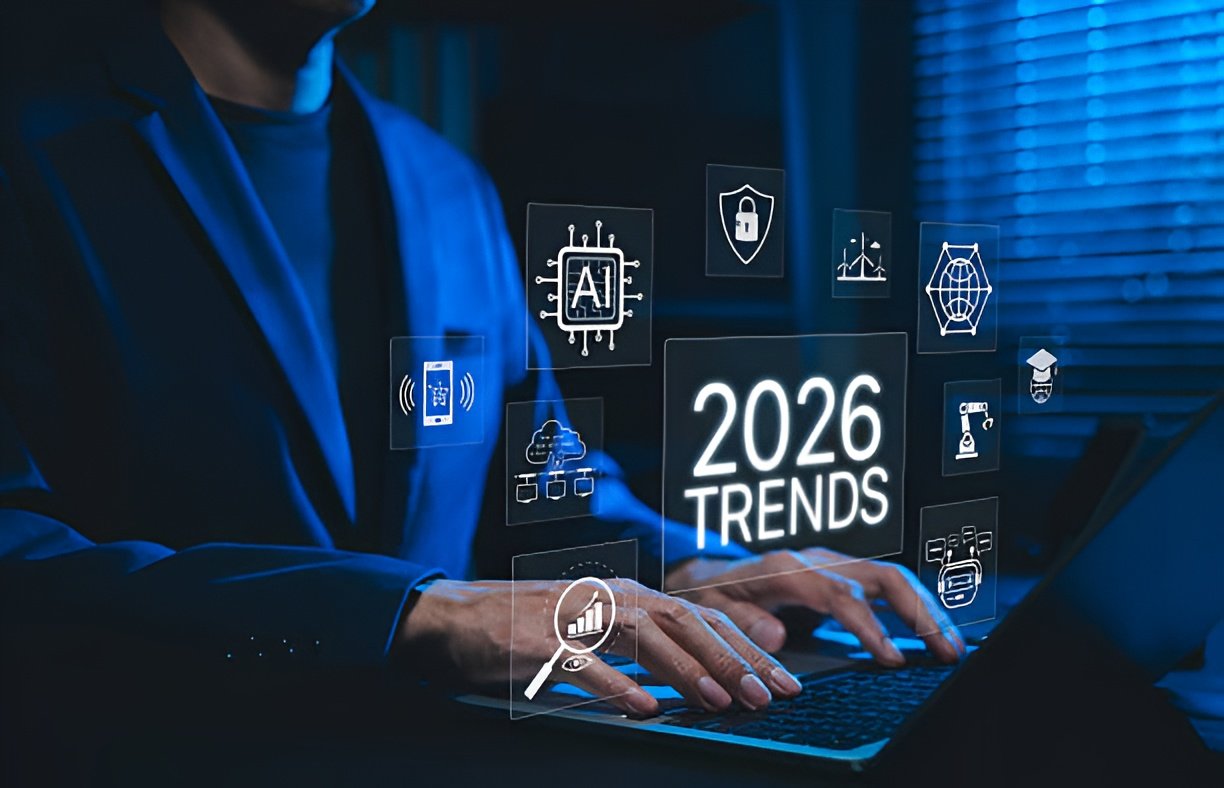
Staying ahead of trends is vital for understanding AI in marketing explained. In 2026, personalization, predictive analytics, and voice search optimization are becoming increasingly prominent. Businesses are leveraging AI to deliver highly targeted content based on individual preferences and behaviour.
Another emerging trend is the use of AI for visual recognition. AI can analyse images and videos to identify brand logos, products, and consumer sentiment. This capability allows marketers to monitor brand presence and engagement across digital platforms effectively.
AI-driven influencer marketing is also gaining traction. Platforms now use AI to identify relevant influencers based on audience demographics, engagement, and content performance. This ensures that collaborations are more strategic and produce higher ROI.
Automation and AI Efficiency
Automation powered by AI is a major trend in marketing for 2026. AI can automate repetitive tasks such as email campaigns, social media scheduling, and ad bidding. This frees up time for marketers to focus on strategy and creativity.
Moreover, AI in marketing explained highlights how automated decision-making tools optimize budget allocation. Machine learning algorithms continuously assess campaign performance, reallocating resources to the highest-performing channels. This ensures that marketing investments generate maximum returns with minimal waste.
Techniques for Implementing AI in Marketing
Implementing AI in marketing requires a structured approach. According to AI in marketing explained, businesses should start by defining clear objectives, collecting high-quality data, and choosing the right AI tools. Without accurate data, AI algorithms cannot provide reliable insights or recommendations.
Segmentation and personalization are key techniques. AI analyses customer behaviour, purchase history, and engagement patterns to create highly targeted campaigns. This ensures that customers receive relevant offers, increasing satisfaction and conversions.
Content optimization is another critical technique. AI tools can suggest topics, keywords, and formats that resonate with audiences. They can also predict engagement metrics, helping marketers refine content strategies continuously.
Monitoring and Continuous Improvement
Continuous monitoring is essential in AI in marketing explained. AI provides real-time analytics, allowing marketers to track campaign performance, measure ROI, and identify areas for improvement. By analysing these insights, businesses can make data-driven adjustments and enhance marketing effectiveness over time.
Additionally, testing is vital. A/B testing, powered by AI, helps determine which content, visuals, or messaging performs best. This iterative process ensures that campaigns are always optimized for maximum impact.
Benefits of AI in Marketing
The benefits of AI in marketing are extensive. According to AI in marketing explained, businesses gain enhanced efficiency, better targeting, and improved customer experiences. AI reduces human error, accelerates decision-making, and allows for precise audience segmentation.
Personalization is a major advantage. AI enables marketers to deliver relevant content, offers, and recommendations at the right time, which significantly increases engagement and conversion rates. Predictive analytics also provides insights into customer behaviour, helping businesses anticipate needs and tailor strategies proactively.
Cost efficiency is another key benefit. AI automates repetitive tasks, optimizes budget allocation, and minimizes wasted marketing spend. Over time, this results in better ROI and more sustainable growth.
Challenges in AI Marketing
While the advantages are clear, understanding AI in marketing explained also involves acknowledging challenges. Data privacy concerns, algorithm biases, and high initial investment costs can pose obstacles. Businesses must ensure ethical AI use, protect customer data, and continuously monitor AI systems for accuracy and fairness.
Despite these challenges, the long-term benefits of AI adoption far outweigh the risks. Companies that embrace AI early gain a competitive advantage and position themselves as leaders in digital marketing innovation.
Conclusion
Understanding AI in marketing explained is essential for businesses looking to thrive in 2026. From AI-powered tools and automation to emerging trends and strategic techniques, artificial intelligence is transforming how marketing is planned, executed, and optimized.
By adopting AI, businesses can enhance efficiency, deliver personalized experiences, and achieve higher ROI. Integrating AI tools with human creativity ensures campaigns remain innovative, relevant, and effective. Continuous monitoring, data-driven decision-making, and ethical use of AI are key to maximizing results.
As marketing evolves, staying informed about AI technologies and trends will be a crucial part of every marketer’s toolkit. The future of marketing in 2026 is not just digital—it is intelligent, automated, and personalized. Understanding AI in marketing explained equips businesses to leverage this transformation and achieve long-term success.